5 Tips for Sports Lighting Design & Commissioning
Lessons learned from working on sports lighting design, installation, testing and commissioning, for the Kai Tak Sports Park.
Cole Siu
11/1/20256 min read
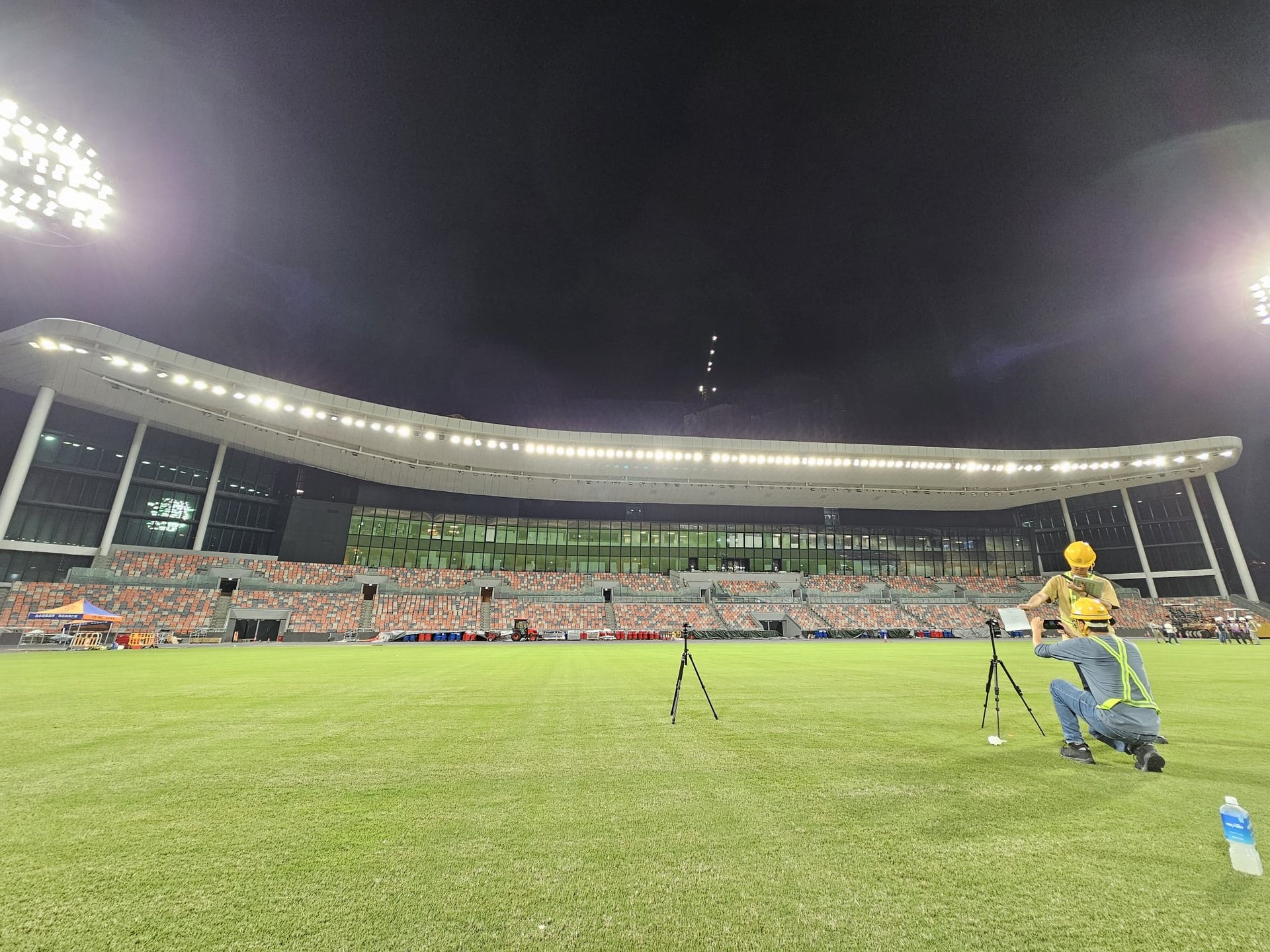
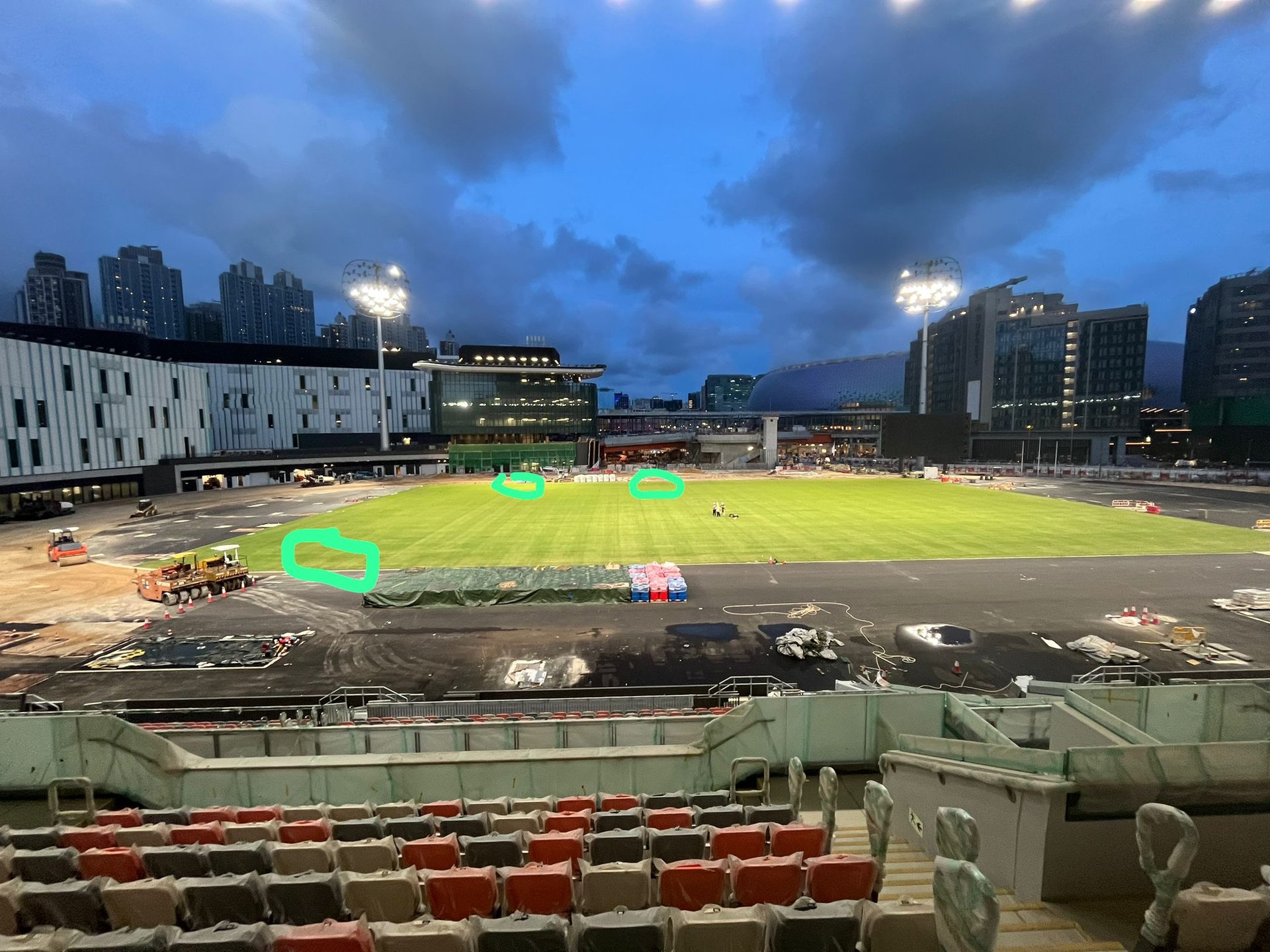
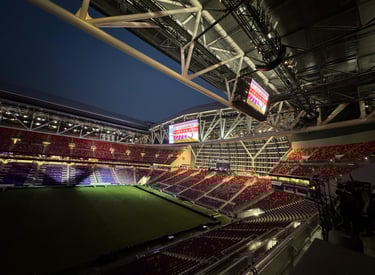
Kai Tak Sports Park is a multi-purpose stadium with an approximate area of 28 hectares. It is the largest sports venue in Hong Kong featuring the Main Stadium that holds 50,000 people with a retractable roof; the 10,000-seat Indoor Sports Centre and the 5,000-seat Youth Sport Ground in the outdoor.
Installed with 2,200 digital-controlled high-power luminaires supporting 170+ sports lighting scenes, covering international broadcast standards, this project represents the pinnacle (so far) of my career in the professional lighting industry. Having spent three years collaborating with multidisciplinary teams until the final project delivery, I have learnt a great deal and here are five tips that can help guide lighting designers, consultants, and project managers in future stadium projects.
1.Clarify Mounting Positions
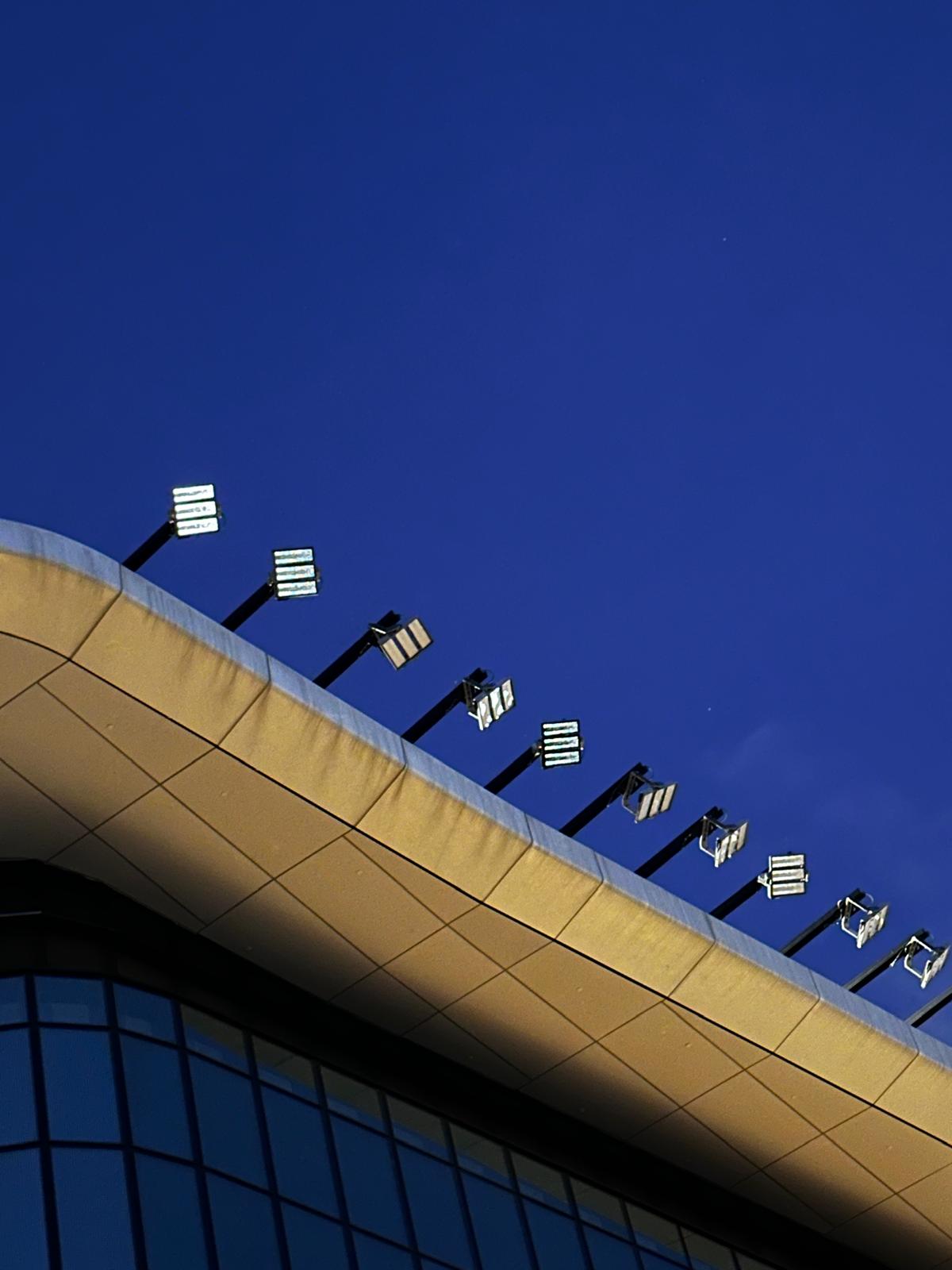
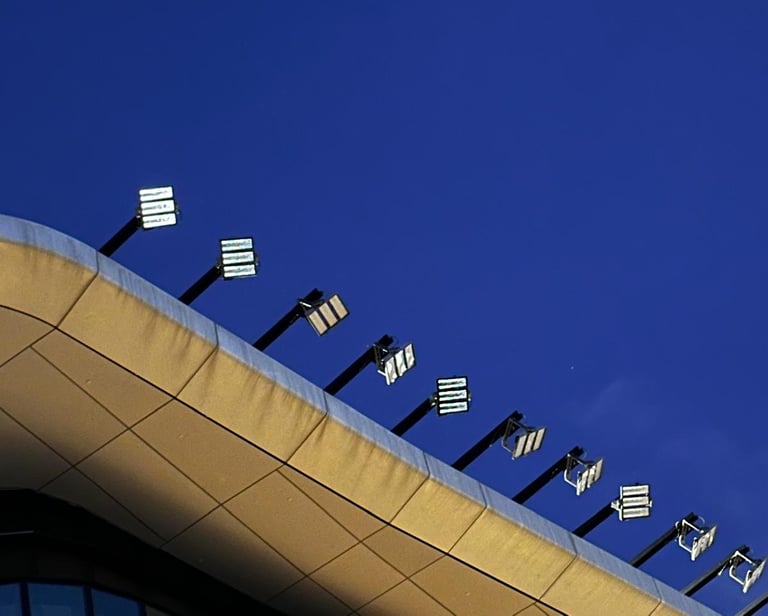
Clashes and design changes during the construction phase are inevitable, and their likelihood increases with the project scale. In sports lighting design, any slight adjustment —such as relocating a single luminaire —can trigger a major redesign involving the repositioning and re-aiming of numerous other luminaires. This sensitivity arises because each group of installed luminaires must satisfy multiple lighting parameters, including horizontal and vertical illuminance, uniformity gradients, glare ratings, and light nuisance. Moreover, every lighting scene must adhere strictly to international sports lighting standards, such as the FIFA, ANSI/IES RP-6 and EN12193.
4.Minimising Glare
Cross-aiming in sports lighting design refers to the technique of directing floodlights from different mounting positions around the field of play so that their beams intersect and overlap across the playing surface. The primary objective is to achieve high and uniform horizontal and vertical illuminance across the entire field while minimizing shadows.
For televised events, maintaining uniform vertical illuminance is particularly critical, as it ensures consistent lighting on all four camera-facing vertical planes, thereby enhancing broadcast image quality and visual balance.
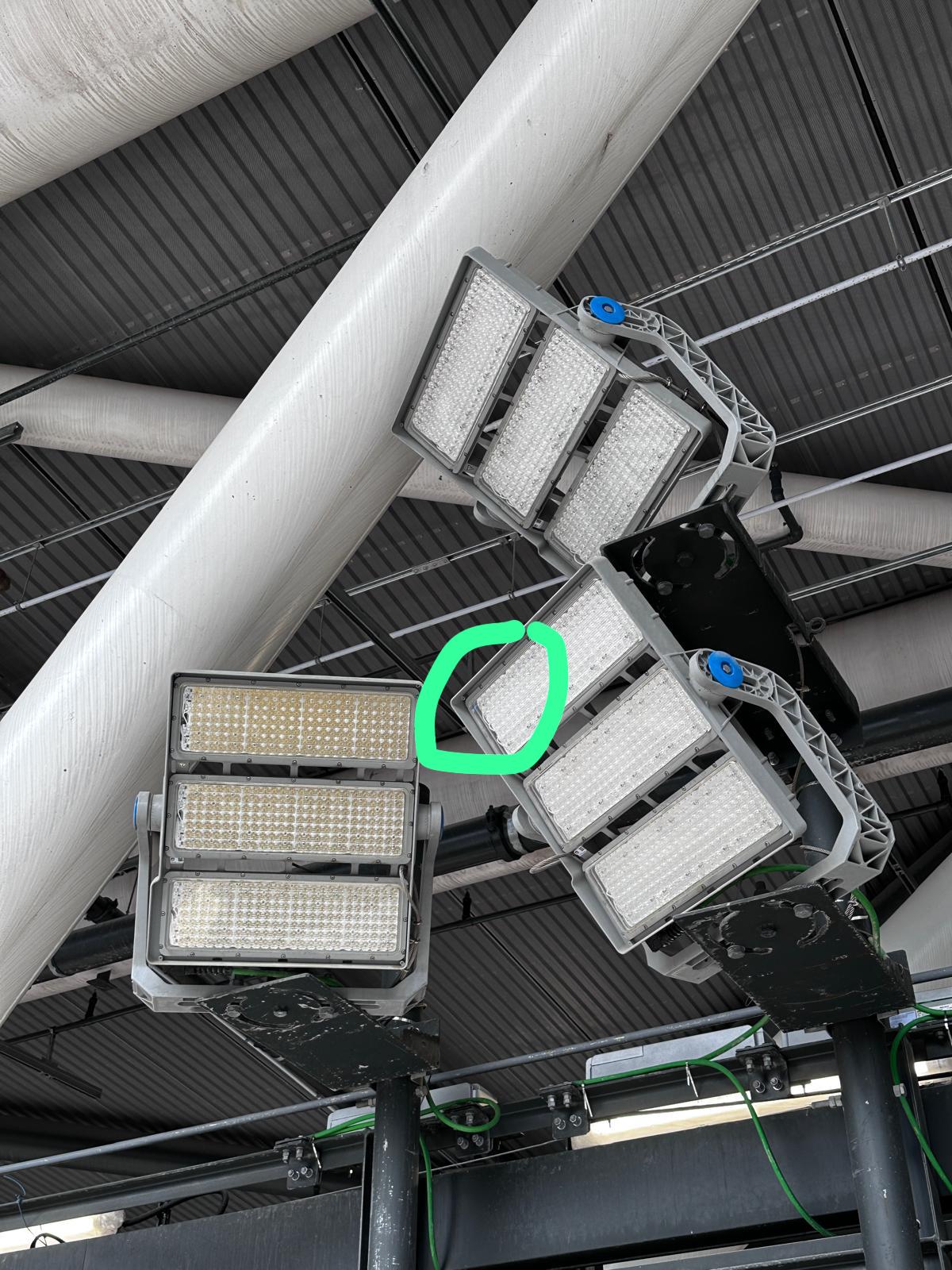
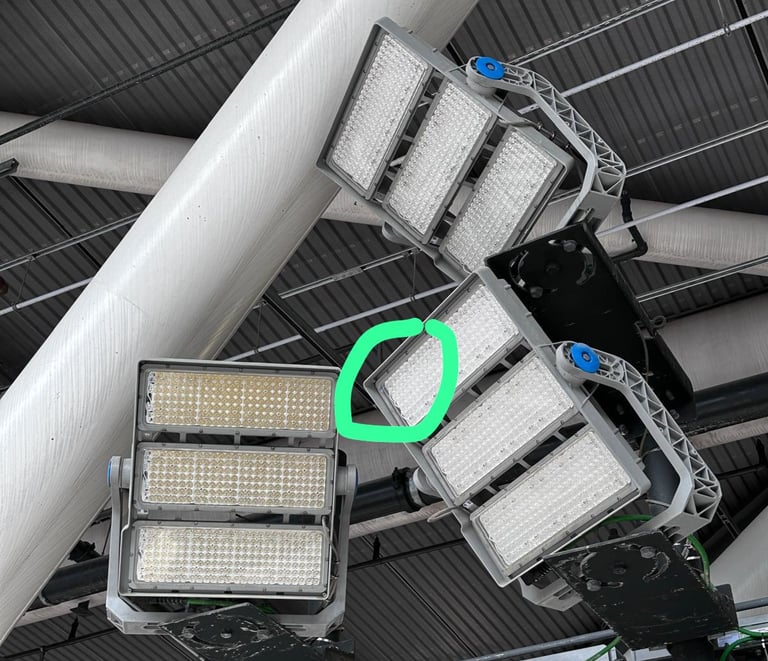
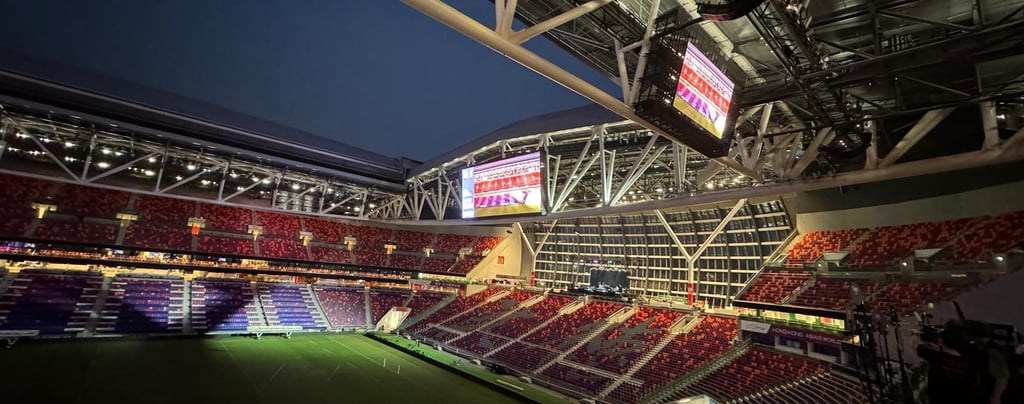
However, certain environmental and architectural factors—such as low ceiling height or dark interior surfaces—can exacerbate perceived glare. In these cases, even when simulation-based glare ratings appear acceptable, additional glare control measures are essential.
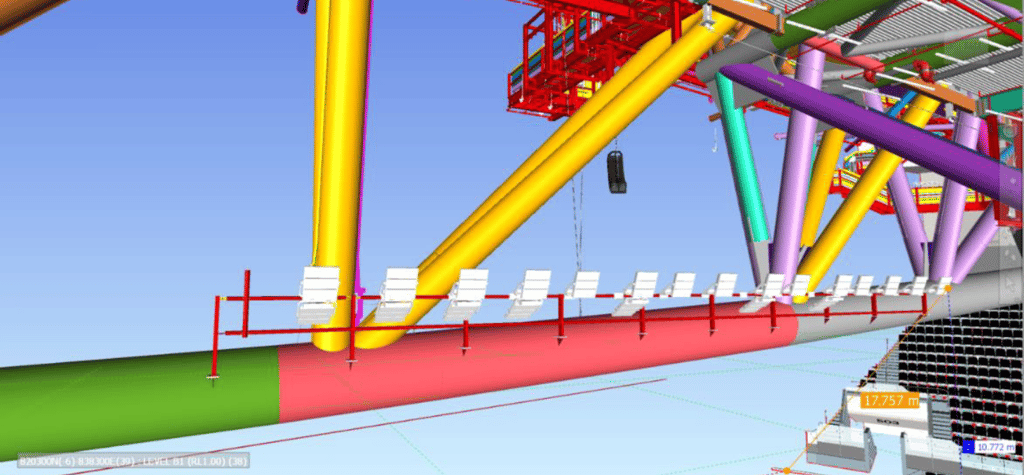
Gathering extensive information at the outset can help identify mounting locations that are less prone to future revisions. Here, the best practice is to get access to the collaborative BIM (Building Information Modeling) model to view the latest published changes in the building model.
2.Check Luminaire's Min Dim Levels
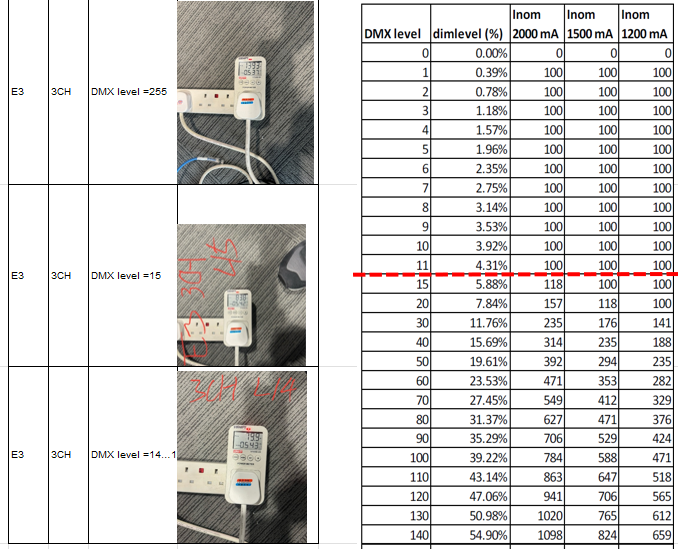
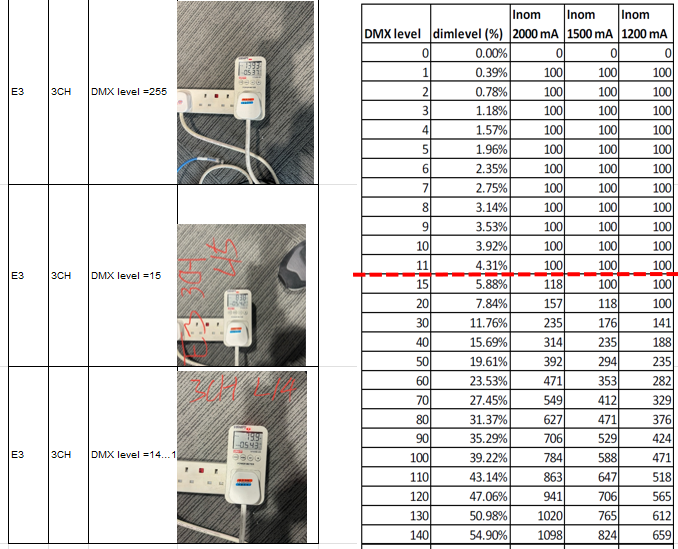
In certain sports lighting scenes where low illumination levels are required, like warm-up, event, or emergency scenes, some luminaires must be dimmed to very low outputs to meet the specified lighting requirements. However, certain luminaire types may not be capable of dimming below a pre-defined minimum level (for example, 5%) due to limitations in the driver’s dimming curve and/or the LED’s voltage–current operating window. To avoid issues during commissioning, it is best practice to review the minimum dimming levels specified for all luminaire types in advance and ensure that the dimming requirements of all lighting scenes remain within those limits when designing for each lighting scene.
An better still approach is to perform luminaire sample testing to validate the specified minimum dimming levels by taking precise electrical measurements.
3.Strategies to Switch the Lights On/Off
At first glance, switching control in sports lighting may appear straightforward. However, several strategies exist for switching luminaires in a stadium, each with distinct implementation methods, system architectures, and cost implications.
The predominant lighting control protocols used in large-scale sports venues include DALI, DMX, and RDM (an extension of DMX with feedback capability). While DALI supports a “dim-to-off” function, the driver itself does not contain an internal relay to physically disconnect power to the luminaire. Similarly, in DMX or RDM systems, sending a Dim-to-Zero command to the driver reduces the light output to minimum levels, but the luminaire remains electrically energized.
This can result in certain luminaires not turning off completely and exhibiting a faint residual glow. The phenomenon is typically caused by parametric tolerances within the driver’s internal electronic components.
There are two primary design approaches to achieve full electrical isolation of luminaires when switched off:
External relay-based power switching – Introduce a separate relay system to disconnect the power feed to the luminaires. This approach is robust and provides high flexibility in switching control but increases system cost and complexity, requiring additional relays, control cabling, and installation work.
Luminaires with integrated time-programmable relays – Select luminaires equipped with built-in relays that can autonomously disconnect power after a pre-set period. This solution offers lower installation cost and simpler wiring but is less flexible, as the relay hold time must be pre-programmed and cannot be adjusted dynamically on-site.
Recommended mitigation strategies include:
Use of asymmetric beam optics – Where feasible, select asymmetric luminaires that can deliver the required illuminance levels while reducing spill light into spectator areas.
Incorporation of glare-control accessories – Equip luminaires with louvres and visors to limit unwanted light emission at wide angles and further suppress glare.
Glare perception is inherently subjective, and individuals may experience significant variation in perceived glare even under identical luminaire configurations. Consequently, glare-related complaints in stadium environments are not uncommon. This presents a challenge for lighting designers, who often must justify that the design was executed with due diligence and that simulation-based glare ratings comply with the specified standards.
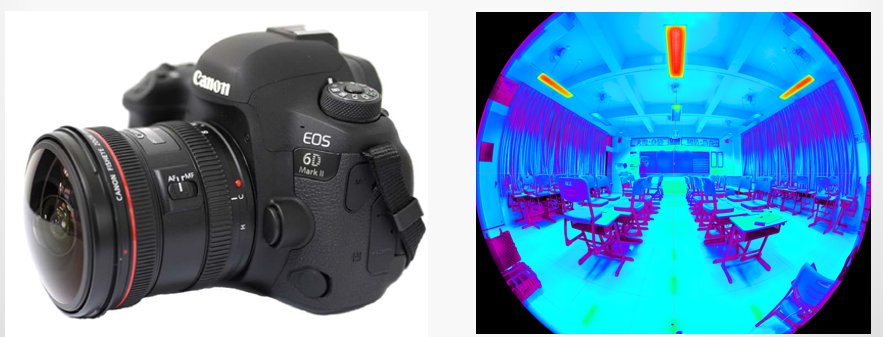
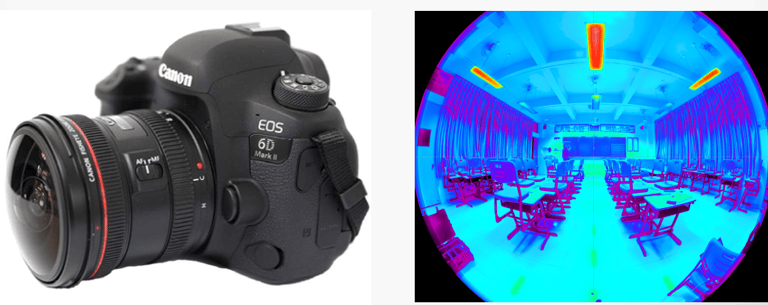
With recent technological advancements, it is now possible to conduct in-situ glare assessments using glare capture equipment in combination with analysis software. These tools enable objective measurement and verification of glare performance under actual operating conditions, providing valuable validation beyond simulation results.
5.SAT Needs Right Timing
A Site Acceptance Test (SAT) is the final and critical phase in verifying that a sports lighting system performs correctly on-site following installation and commissioning, prior to final handover. The SAT ensures that the luminaires and the lighting control system operate harmoniously and meet all specified functional, performance, and technical requirements under actual environmental conditions.
Because on-site illumination quality is highly influenced by environmental factors—such as surface reflectance from materials, dust accumulation, physical obstructions, and weather conditions—the performance of the lighting system, and consequently the SAT results, are strongly dependent on these variables.
Typically, conducting lighting measurements for a stadium with around 20 lighting scenes requires approximately three to four weeks. However, in cases of project delay (which are common), the measurement schedule may be shifted, or testing might occur before site completion. Such premature testing can compromise accuracy; for instance, unfinished surface materials may alter reflectance properties and cause deviations from simulation results.
To mitigate these issues, it is best practice to develop an official testing and commissioning guideline outlining all prerequisite site conditions required for valid lighting measurements. Furthermore, the lighting designer or commissioning engineer should coordinate an appropriate testing window that occurs only after the venue has reached its final completed state.
As a result, significant lighting design efforts will be wasted by subsequent changes in luminaire mounting positions or the addition of new objects within the light path —such as PA speakers, trusses, or display boards. Therefore, before commencing the design process, lighting designers should meticulously verify all luminaire mounting positions, as well as every detail of supporting structures, such as trusses or catwalks, and nearby service equipment, including speakers or billboards that may obstruct the light path.